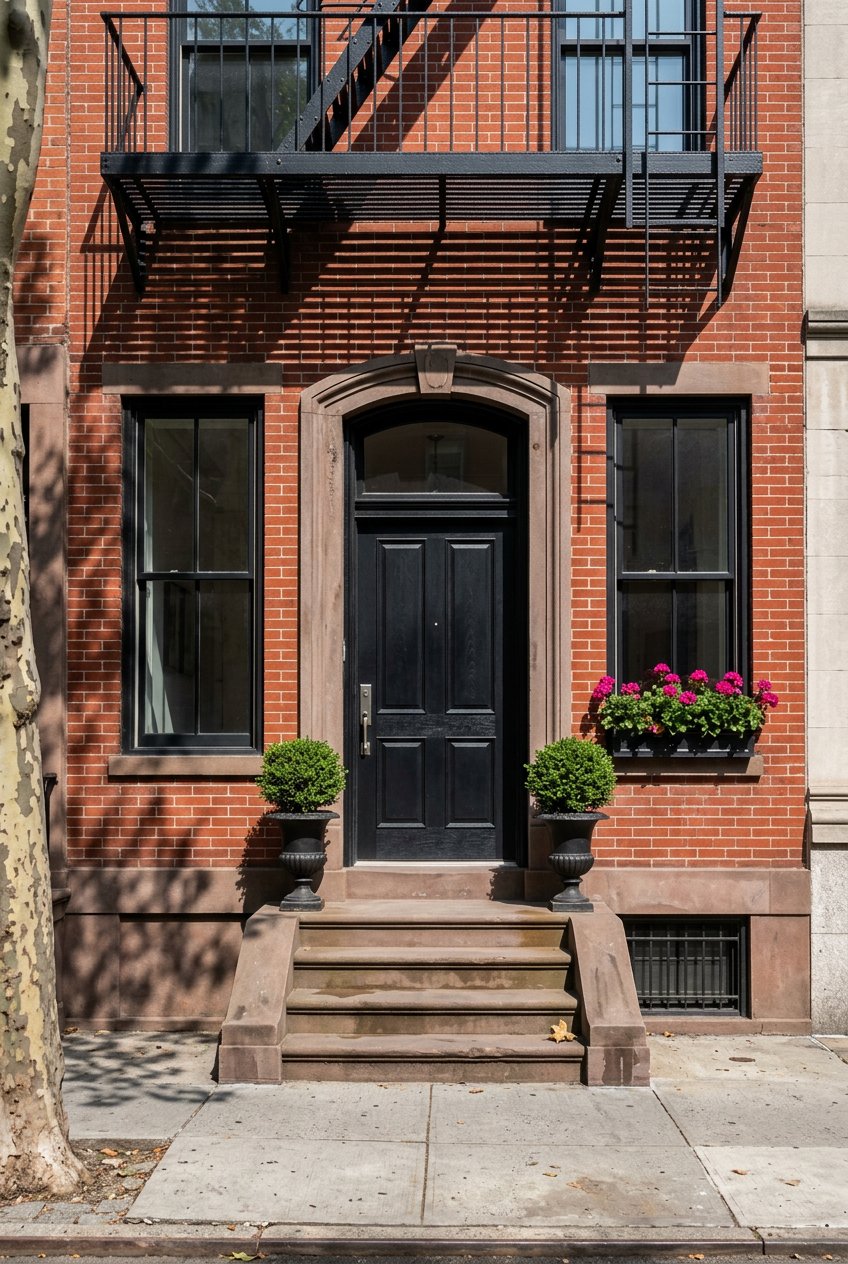
Chelsea Living For Design Lovers: Galleries To Green Space
March 5, 2026
March 5, 2026
If you sketch floor plans on napkins and plan your Thursdays around gallery openings, Chelsea will feel like home. You get a rare mix here: museum-grade art around the corner, loft interiors with light and volume, and green space in every direction. In this guide, you’ll see how the neighborhood’s galleries, architecture, and parks shape daily life and what to look for in a home. Let’s dive in.
Chelsea sits on Manhattan’s west side and blends art-world energy with industrial-chic living. The neighborhood is known for contemporary galleries, adaptive-reuse buildings, and walkable access to both the High Line and the Hudson River waterfront. That mix draws buyers who value natural light, tall ceilings, and flexible loft-style spaces. For background on geography and history, explore the overview of Chelsea, Manhattan.
Cultural anchors add texture to daily life. Historic creative institutions, including the storied Hotel Chelsea, reinforce the area’s arts identity. You can spend a morning browsing galleries, grab lunch at a market hall, then catch sunset from an elevated park without ever calling a cab.
Most galleries cluster west of the High Line, roughly along West 19th to West 26th streets, which makes for effortless, on-foot discovery. A long-standing custom has many galleries hosting evening openings on Thursdays during active art weeks. For a neighborhood snapshot and practical visiting rhythm, see the Chelsea neighborhood guide.
Chelsea’s roster includes blue-chip names that set the tone for global contemporary art. You can browse the program at David Zwirner or step into Gagosian on West 24th Street to see museum-scale installations. Nearby, Pace Gallery’s flagship on West 25th Street is another landmark destination for ambitious shows, which you can preview via Pace Gallery in Chelsea. Schedules change often, so confirm times before you go.
Start north at smaller project spaces, then work your way south to the largest rooms. Pause on the High Line for fresh air and city views, then wrap with dinner near Chelsea Market or along Ninth Avenue. For seasonal highlights and fair weeks that shape the calendar, browse Artsy’s editorial coverage of New York art week.
Chelsea’s housing stock runs from converted industrial lofts and warehouse-to-condo projects to prewar co-ops and newer luxury buildings near the river. The neighborhood’s industrial DNA shows up in landmark properties like the Starrett–Lehigh Building, and in many loft-style residences with exposed brick, steel, or timber.
Design-minded buyers often prioritize:
If you travel often or plan to sublet in the future, you may prefer condos over traditional co-ops due to typically more flexible policies. Co-ops can offer value and classic layouts, but board rules vary, so review building policies early in your search. For a recent neighborhood snapshot, a local market summary reported a median sale price around $1.30M and a higher condo median near $2.09M, with pricing that varies by block and building; see the Chelsea market report for context.
The High Line is a 1.45-mile elevated park that runs from Gansevoort Street toward 34th Street, threading directly through the gallery district with multiple access points. You get seasonal plantings, urban views, and public art woven into the route. It is as much a commute alternative as it is your open-air living room. Learn more on the High Line overview.
Along the river, you have lawns, paths, and play areas, plus Chelsea Waterside Park for everyday recreation. The waterfront’s piers host activity hubs, while east of the highway you will find tree-lined blocks and pocket parks. For a concise history and amenity overview, see Chelsea Waterside Park.
Chelsea Piers functions as a large sports and entertainment complex with year-round programming. Whether you are into skating, golf practice, or indoor fields, it is an easy lifestyle add-on to a loft-centric home.
Designed public space can influence demand. A peer-reviewed study on New York found that homes nearest to the High Line saw a measurable price premium, with one estimate around a 35 percent uplift for proximate housing during the measured period. While results vary by distance, elevation, and time, this is useful evidence that access to high-quality green space adds real value. Review the findings in the High Line pricing study.
Use this quick filter when touring homes:
Presentation is everything in a design-aware market. Professional photography, styled staging, and clear storytelling help buyers feel the scale, light, and flow of your space. With Compass Concierge, you can explore pre-sale improvements without upfront costs, then list with elevated visuals and strategic distribution for maximum impact.
Ready to find your Chelsea home or position your property for a standout sale. Let’s talk about timing, presentation, and strategy. Connect with Blu Toth to start a tailored plan.
Stay up to date on the latest real estate trends.

Blu has always been about client service and attention to detail in every aspect of her work. This quality and dedication she brings to her real estate clientele. Blu's determination and dedication helps her clients to achieve best possible results in any market condition!