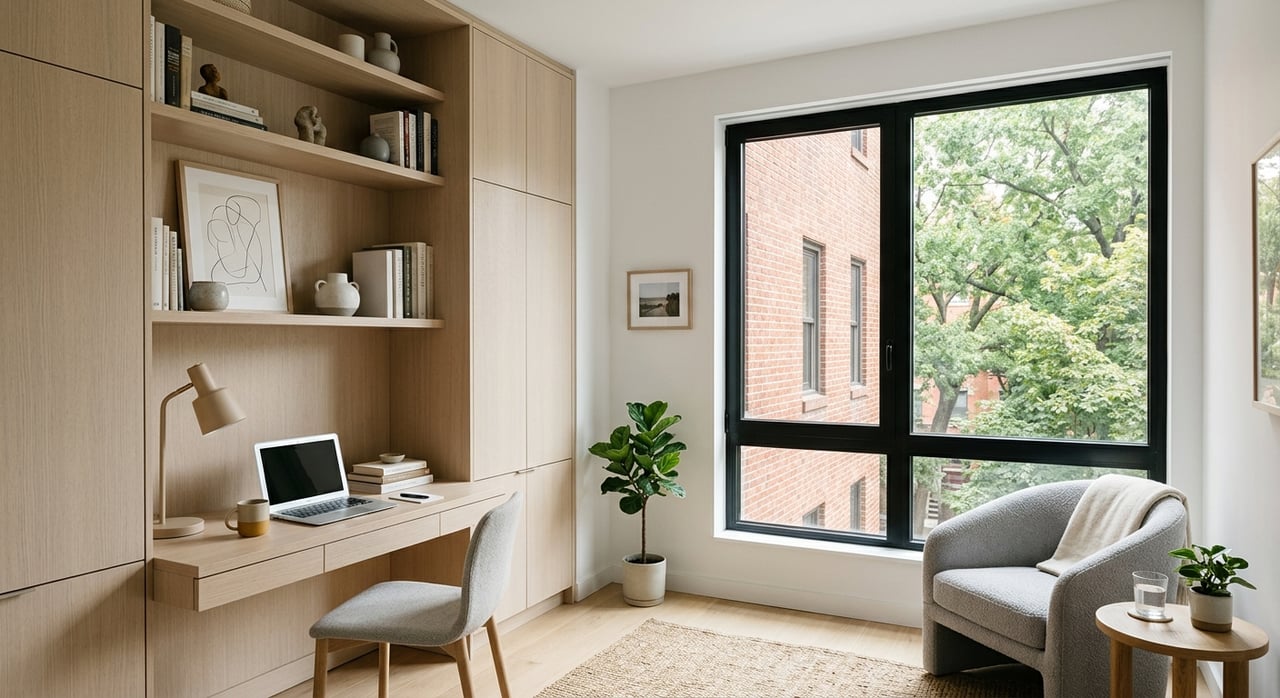
Downsizing To An Upper West Side Home With Style
May 21, 2026
May 21, 2026
Are you ready for less space but not less life? Downsizing on the Upper West Side can be a smart way to trade extra square footage for easier living, beautiful prewar character, and daily access to parks, culture, and transit. If you want your next home to feel intentional, elegant, and fully aligned with how you live now, this guide will help you think through what matters most. Let’s dive in.
The Upper West Side offers something many downsizers want but do not always find in one place: strong neighborhood identity, practical convenience, and lasting residential appeal. Manhattan Community District 7 runs from West 59th Street to West 110th Street, between Central Park West and the Hudson River, giving you a broad stretch of classic Manhattan living with a well-defined civic and neighborhood framework.
This is also a neighborhood built for everyday life, not just postcard moments. Community Board 7’s district statement notes a population of about 207,700 people, with seniors making up 20.4% of residents, along with access to five major subway lines, four crosstown bus lines, and five north-south bus lines. That combination can make it easier to stay connected while simplifying your home.
For many buyers, downsizing here feels less like giving something up and more like choosing a different kind of abundance. Instead of maintaining unused rooms, you can live closer to Central Park, Riverside Park, Lincoln Center, neighborhood shops, and well-used daily services. In a place like this, the neighborhood often becomes an extension of your home.
One of the biggest mental shifts in downsizing is realizing that your life does not need to shrink with your floor plan. On the Upper West Side, that idea is especially compelling because so much of what makes life rich sits right outside your building.
Central Park brings 843 acres of open space to the neighborhood’s eastern edge, while Riverside Park adds another treasured outdoor setting along the Hudson. Lincoln Center’s 16.3-acre campus and the American Museum of Natural History further reinforce the area’s cultural depth. When your surroundings are this substantial, you may need less private space to feel fully at home.
That is one reason downsizing here can feel stylish rather than restrictive. You are not only selecting a smaller apartment. You are choosing immediate access to parks, architecture, restaurants, transit, and cultural institutions that support a full and engaged lifestyle.
If you are moving into a smaller home on the Upper West Side, it helps to understand the local housing stock. StreetEasy’s neighborhood guide notes that many homes here are in large prewar apartment buildings, and smaller or older co-ops can still offer relative value within the neighborhood.
That matters because prewar homes often bring charm and architectural detail, but not every layout uses space equally well. In a downsizing move, the right one-bedroom or compact two-bedroom can live better than a larger apartment with awkward circulation or limited storage.
The neighborhood’s preservation context also shapes what you see. The Upper West Side-Central Park West Historic District was designated in 1990, and local review of changes within historic areas helps explain why so much of the housing retains its classic character. For you, that can mean looking for a home that respects original bones while supporting modern function.
When you downsize, the floor plan becomes everything. A smaller apartment with strong sightlines, deep closets, good window placement, and clean circulation can feel calm and expansive. A larger apartment with chopped-up rooms can feel harder to live in.
As you tour homes, pay attention to how you actually move through the space. Ask yourself whether the entry feels useful, whether the living area can hold properly scaled furniture, and whether bedrooms can support your real routines. In many Upper West Side homes, the smartest choice is the apartment that wastes the least space.
It is also worth looking beyond labels. A formal dining area, oversized foyer, or extra corner may offer more flexibility than a higher room count suggests. For design-aware buyers, style often starts with proportion and flow.
On the Upper West Side, many downsizers compare co-ops and condos side by side. In a co-op, you buy shares in a corporation and receive a proprietary lease, and monthly maintenance commonly covers operating expenses and property taxes. In a condo, you own real property, pay real estate taxes separately, and also pay common charges for building operations.
That difference can shape your monthly carrying costs and your ownership experience. It can also affect how building governance works in daily life, which is an important consideration if you want a home that feels easy to manage.
Some eligible co-op and condo developments may also receive New York City’s cooperative and condominium property tax abatement. That abatement is applied for by the board or authorized agent on behalf of the development, and it can be an important detail when you compare two otherwise similar apartments.
A beautiful prewar apartment can be deeply appealing, but style should never replace substance. The New York State Attorney General recommends reviewing the full offering plan and consulting an attorney before signing a purchase agreement.
For existing buildings, the same guidance includes reviewing board minutes and financial reports, since defects and costly repairs are often disclosed there. You should also examine building systems and apartment finishes during your walkthrough, including plumbing, heating, windows, ceilings, cabinets, and any signs of leaks.
This is especially important on the Upper West Side, where older housing stock can be part of the appeal. The goal is not to avoid character. The goal is to make sure the apartment’s beauty is matched by building quality and sound planning.
A stylish smaller home usually feels edited, not crowded. Design guidance for compact spaces consistently points to a few principles that can make a major difference in how your next apartment looks and feels.
Start with light. Protect natural light wherever possible, use mirrors thoughtfully to reflect brightness, and choose window treatments that do not visually weigh the room down. Hanging curtains higher can also make ceilings feel taller, which is especially useful in a compact Manhattan home.
Then think about storage with discipline. Furniture that hides storage, such as beds or ottomans with built-in compartments, can help keep surfaces clear. Built-ins and closed cabinetry often create a more polished look than open shelving, which can make a smaller room feel busier.
Finally, choose fewer pieces with better scale. A compact apartment does not always benefit from tiny furniture. In many cases, a few well-proportioned pieces create more calm than many small items competing for attention.
Downsizing is not only a design project. It is also an emotional transition. AARP’s decluttering guidance notes that downsizing often requires sorting through belongings and that a cleaner, more organized home can help reduce stress.
That is why the process works best when you pace it. Instead of trying to decide everything in one weekend, separate items by function, sentiment, and fit. Keep what truly supports the life you want in your next home, and give yourself time to donate, sell, recycle, or pass along the rest.
This mindset can make the move feel more empowering. You are not simply losing storage. You are refining your environment so your home better reflects your priorities now.
On the Upper West Side, elegant downsizing is often about living better with less friction. It means selecting a home with good bones, strong light, smart storage, and a layout that supports your routines. It also means choosing a neighborhood that gives you more reasons to step outside and enjoy the city.
For some people, that looks like moving from a larger prewar co-op into a polished one-bedroom near the park. For others, it means finding a well-laid-out condo with lower maintenance demands and easy access to transit and culture. Either way, the best result is a home that feels thoughtful, composed, and easy to love.
If you are weighing a move on the Upper West Side, it helps to have a clear eye for layout, building details, and presentation. From buying a right-sized apartment to preparing a current home for sale with stronger visual appeal, Blu Toth offers thoughtful, relationship-driven guidance shaped by deep local knowledge and a refined sense of how Manhattan homes live and show.
Stay up to date on the latest real estate trends.

Blu has always been about client service and attention to detail in every aspect of her work. This quality and dedication she brings to her real estate clientele. Blu's determination and dedication helps her clients to achieve best possible results in any market condition!