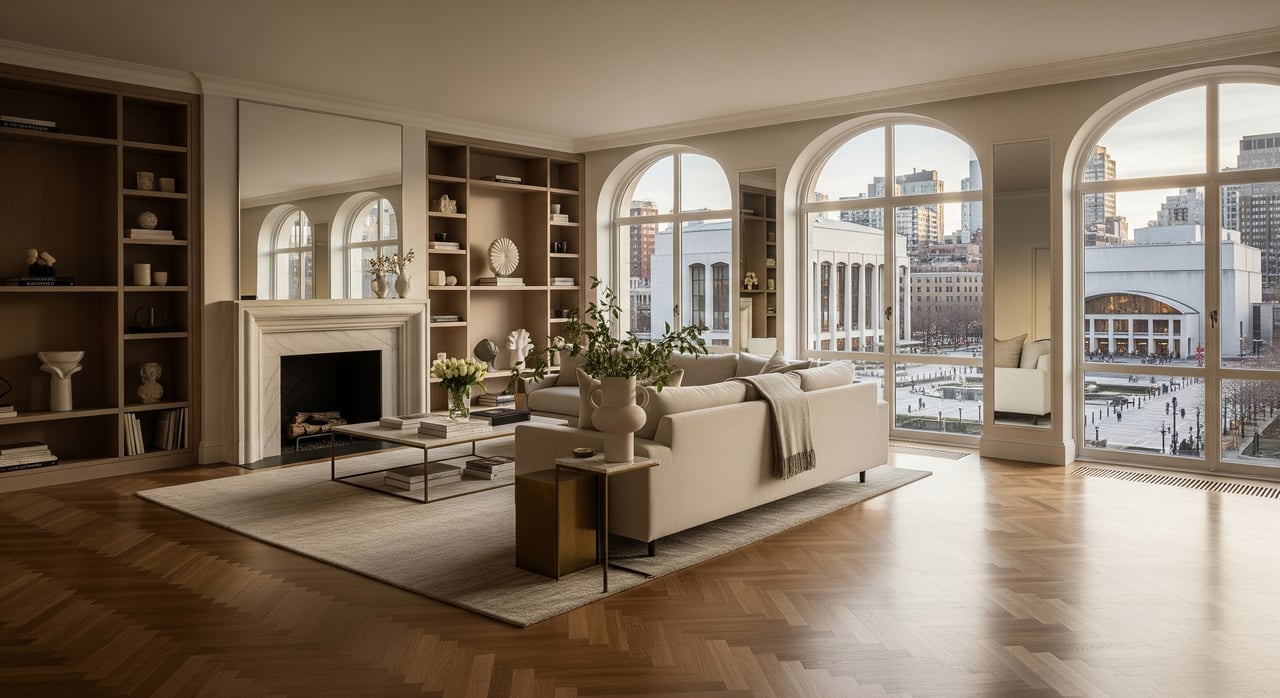
Living Near Lincoln Center On The Upper West Side
February 5, 2026
February 5, 2026
Imagine stepping out your front door and crossing a plaza where the world’s top musicians, dancers, and filmmakers perform. If you want culture at your fingertips, parks a short walk away, and an easy commute, the Lincoln Center area of the Upper West Side delivers. In this guide, you’ll learn what daily life really looks like here, from transit and green space to housing options and lifestyle tradeoffs. Let’s dive in.
The Lincoln Center campus anchors the southern edge of the Upper West Side, roughly West 62nd to 66th Streets between Columbus and Amsterdam. Many locals call the micro-area Lincoln Square or simply the Lincoln Center neighborhood. More broadly, the Upper West Side runs from 59th to 110th Streets between Central Park West and the Hudson River. You get a mix of residential blocks, cultural buildings, and retail at street level.
The cultural energy is constant. The campus includes the Lincoln Center for the Performing Arts, the Metropolitan Opera, the New York Philharmonic at David Geffen Hall, the New York City Ballet, the Juilliard School, and Film at Lincoln Center. From fall through spring, you can pick from regular seasons and ticketed performances most evenings.
Warm months bring outdoor programming in and around Damrosch Park, plus summer festivals and free or low-cost events. The New York Film Festival runs each year, drawing film lovers while giving residents a front-row seat to screenings and talks. Expect early evening foot traffic as audiences arrive, then a gentle taper after shows. Many neighborhood restaurants time service around pre- and post-performance dining.
Transit is simple. The 66 St–Lincoln Center station on the 1 line sits next to the campus, and the wider network is moments away. You can review the station area and connections on the MTA’s 66 St–Lincoln Center page and see the full MTA subway map for quick routes to Midtown and beyond.
Buses run along Broadway, Columbus, and Amsterdam, and protected bike lanes thread up and down the Upper West Side. Most errands are walkable. Many residents skip car ownership, though garages are available if you need one.
One of the biggest perks is having two major parks within a short walk. Head east a few blocks to Central Park for loop runs, playgrounds, and open lawns. The Central Park entrances near 59th and 72nd Streets are popular and easy to reach.
To the west, Riverside Park lines the Hudson River with leafy paths, bike routes, and water views. Runners, dog walkers, and casual cyclists use both parks daily. In warm weather, outdoor performances and community events add to the neighborhood rhythm.
You can handle most of life’s basics within a few blocks. There are large supermarkets, specialty markets, and corner stores for quick pickups. Coffee shops, bakeries, and brunch spots make mornings easy. Pharmacies, fitness studios, medical offices, and banks are woven into the main avenues.
Evenings lean toward dining, wine bars, and conversation rather than late-night clubs. Many places take pre-show reservations, then keep a relaxed pace after curtains rise.
You’ll find a mix of classic prewar co-ops, mid-century and postwar rental towers, and newer condos closer to Columbus Circle. The Upper West Side as a whole has a high share of co-ops, especially in older buildings. Condos are more common in newer or converted properties.
Buying into a co-op usually involves a board interview and stricter approval and financing requirements. Condos tend to have fewer approval steps and more flexible ownership rules. If you are comparing buildings, it helps to review not only prices and amenities but also approval timelines and policies.
The Lincoln Center area draws a wide range of residents. Young professionals enjoy the fast commute and cultural access. Families appreciate having Central Park and Riverside Park nearby, along with youth programming and community resources. Downsizers value the convenience of a walkable neighborhood with evening performances close to home.
The neighborhood is known for a residential feel with lively pockets around showtimes. Large performances can bring short bursts of foot traffic and vehicle pickups in the evenings, especially during festivals. Many side streets remain calm and primarily residential. If you prefer quietest hours, consider a block slightly west or north of the main venues.
Pros:
Tradeoffs:
Choosing the right property here starts with fit. Do you want a co-op with classic details and full-service staff, or a condo with flexible ownership? Are you comfortable being close to the evening energy of the campus, or would you prefer a quieter side street with a short walk to performances?
If you are selling, presentation matters. Strategic staging, high-end photography, and pre-sale improvements can accelerate your timeline and boost your net. Blu pairs polished visual storytelling with Compass tools to position your property strongly.
Ready to talk next steps in the Lincoln Center area or broader Upper West Side? Reach out to Blu Toth to explore listings, compare co-op and condo paths, or map a pre-sale improvement plan. Let’s Connect — Schedule a Consultation.
Stay up to date on the latest real estate trends.

Blu has always been about client service and attention to detail in every aspect of her work. This quality and dedication she brings to her real estate clientele. Blu's determination and dedication helps her clients to achieve best possible results in any market condition!