Midtown West Living: Culture, Commute, and Convenience
December 18, 2025
December 18, 2025
Want Broadway at your doorstep and sunset runs along the Hudson after work? If you are a time‑pressed professional, Midtown West can put culture, commute, and daily convenience in one walkable grid. You also face real tradeoffs, from evening crowds to building rules that affect how you live. This guide shows you what to expect, how to commute with ease, and what to prioritize in 1–2 bedroom condos and co‑ops around the Theater District and the Hudson River Park. Let’s dive in.
The Theater District keeps streets active into the evening with a concentration of Broadway houses, Off‑Broadway venues, and marquee lighting that defines the area’s energy. For shows and industry context, explore the Broadway League. Dining runs the spectrum along Ninth through Eleventh Avenues, from quick bites before a curtain to destination restaurants. Newer mixed‑use hubs around Hudson Yards add modern retail and amenity‑rich towers to the mix.
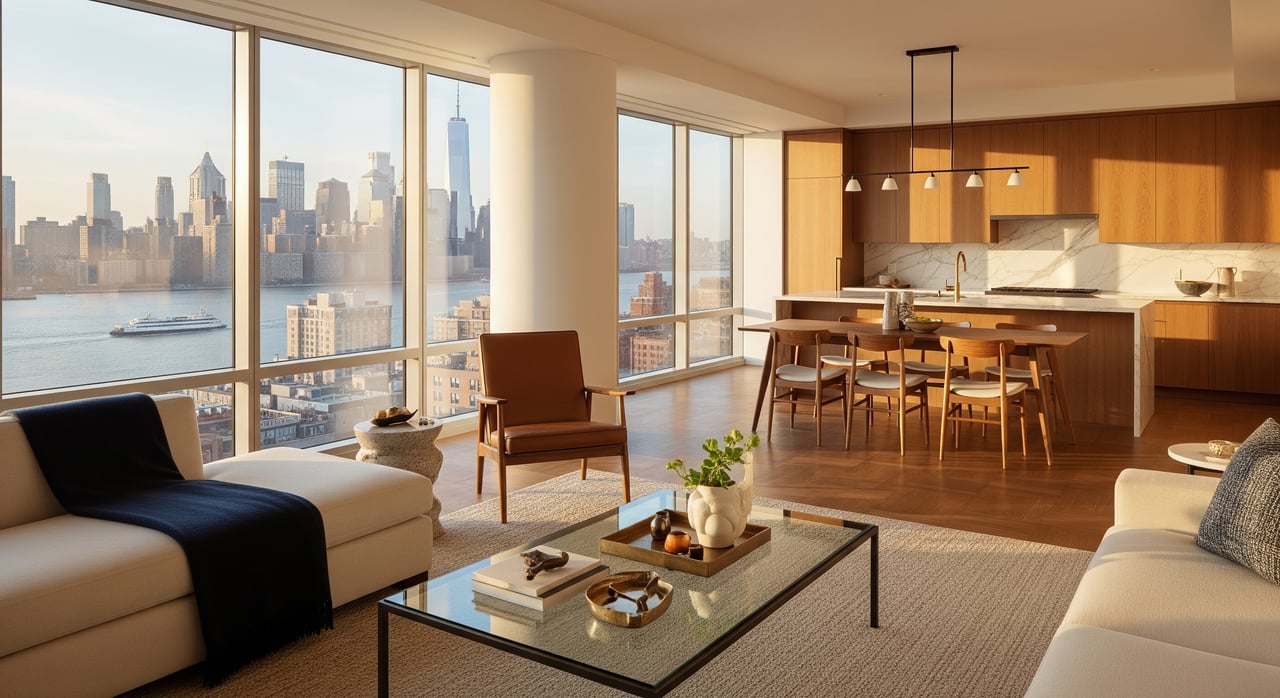
Hudson River Park lines Manhattan’s West Side with piers, lawns, dog runs, and a continuous riverside greenway. You can jog, cycle, or unwind on the water’s edge with open views and seasonal programming by the Hudson River Park Trust. If you value a daily dose of open sky, west‑facing homes near the park often deliver that feeling, especially around golden hour.
Midtown West offers dense retail and services that support busy schedules. You will find groceries, pharmacies, dry cleaners, gyms, and grab‑and‑go options within a few blocks in most directions. The tradeoff is 24‑hour activity, especially near Times Square and major transit hubs, which brings foot traffic, lights, and evening noise.
Midtown West is built for rapid transit. You are near major hubs like Times Square–42 St with the 1, 2, 3, 7, N, Q, R, W, A, C, E and the shuttle, plus the 34 St–Penn Station corridor for the 1, 2, 3 and A, C, E. The 34 St–Hudson Yards stop is the 7 line’s western terminus, connecting you directly to the East Side and Queens. For maps and planned work, use the MTA’s official site.
If you work in Hoboken or Jersey City, Midtown West keeps you flexible. The PATH system serves Manhattan at 33rd Street with frequent trains to Hoboken, Journal Square, and Newark. Check schedules and maps via PATH. Penn Station links you to NJ Transit and Amtrak for regional and intercity travel. On the water, NY Waterway operates Hudson River ferries that can be a reliable alternative during peak or off‑peak times, and NYC Ferry adds useful East River routes.
Hudson River Park’s greenway supports safe, direct bike commuting along the West Side. Citi Bike docks are widely distributed in Midtown West, which helps with last‑mile connections. Heavy pedestrian volumes can slow cars and buses at peak hours, so many residents rely on a mix of subway, walking, and bikes.
During weekday peaks, subways are often your fastest option. Late nights and weekends sometimes include route changes or planned work, so confirm your path before you head out. Test your commute at the times you will actually travel to verify timing, crowding, and transfer points.
You will see a spectrum of buildings: prewar co‑ops, mid‑century high‑rises, and newer condo towers near Hudson Yards. Co‑ops remain common in older stock and typically require board approval with detailed financial review. Condos are prevalent in modern buildings and usually offer simpler approvals and more flexible leasing policies.
Some buildings levy special assessments for projects or charge flip taxes at resale. Review recent financials, board minutes, and offering plans before you commit. Subletting rules vary by building, and short‑term rentals are heavily restricted under city law. For an overview of current rules and registration requirements, review the city’s guidance on short‑term rentals.
For a long workday, on‑site conveniences can be worth the premium. A full‑time doorman or concierge streamlines deliveries and guest access. In‑unit laundry is a quality‑of‑life upgrade, and buildings with modern fitness centers or dedicated bike rooms make daily routines simpler. Storage units and parking are limited and often pricey, so confirm availability early. Pet policies vary by building; check rules, deposits, and any size or breed restrictions before you fall in love with a place.
Orientation matters. West‑facing homes deliver sunset and river views with bright afternoon light and more solar gain on summer afternoons. East‑facing homes offer morning light and cooler afternoons. Street‑facing units often have better views and light but more street noise, while courtyard units trend quieter with less direct sun.
Noise sources can include theatergoers, traffic, rooftop venues, and building mechanicals. Higher floors often reduce street noise. Look for double or laminated windows, solid‑core doors, and quality insulation if noise is a concern. Visit at different times to understand the block’s rhythm.
Day‑to‑night viewing reveals how a home actually lives. If a unit is west‑facing, schedule one visit near sunset to see light and glare. Pay attention to window orientation in listing photos and confirm it in person. For amenity spaces, check peak times and practical features like Wi‑Fi, equipment quality, and lounge availability.
Micro‑areas offer different feels within a few blocks. Around the Theater District, you will find a mix of prewar co‑ops and post‑war high‑rises within a short walk to major subways. Hudson Yards features newer condo towers with modern amenities and direct 7 line access. Hell’s Kitchen has varied options from walk‑ups to elevator buildings, along with dense dining and late‑evening activity. Along the waterfront, modern towers trade proximity to the park and views for longer walks to some east‑side transit lines.
If you want culture, commute, and convenience in one address, Midtown West delivers a compelling balance for 1–2 bedroom buyers. The key is matching building type, amenities, and exposure to your daily routine. When you are ready to tour, compare condos and co‑ops side by side, test your commute at real times, and weigh monthly carrying costs with the full picture.
You do not have to navigate it alone. For buyer representation, curated property matches, and presentation‑forward strategies for sellers using Compass Concierge, connect with Blu Toth. Let’s schedule a consultation and make a confident plan.
Stay up to date on the latest real estate trends.


Blu has always been about client service and attention to detail in every aspect of her work. This quality and dedication she brings to her real estate clientele. Blu's determination and dedication helps her clients to achieve best possible results in any market condition!