Upper West Side Brownstone Vs High-Rise Living
July 2, 2026
July 2, 2026
Wondering whether an Upper West Side brownstone or a high-rise feels more like home? It is a smart question, because on the Upper West Side, both options can offer a very different daily experience even when they sit just blocks apart. If you are weighing charm, convenience, maintenance, and long-term fit, this guide will help you compare the trade-offs with more clarity. Let’s dive in.
The Upper West Side is defined by Manhattan Community Board 7 as the area from 59th to 110th Streets between Central Park and the Hudson River. Within that span, New York City Planning describes a neighborhood made up of tall prewar apartment houses on the avenues, smaller townhouses and multifamily buildings on side streets, and some larger tower-style developments.
That mix is a big reason this comparison matters here more than in many other Manhattan neighborhoods. The Upper West Side gives you the chance to choose between a more house-like setting and a more building-oriented lifestyle without leaving the same local market.
Furman Center data also shows how significant multifamily housing is in the neighborhood today. In 2024, the Upper West Side had 130,471 housing units, a median gross rent of $2,780, a 7.1% vacancy rate, and a 35.6% homeownership rate. Recent housing additions have also skewed heavily toward larger multifamily formats rather than townhouse-scale homes.
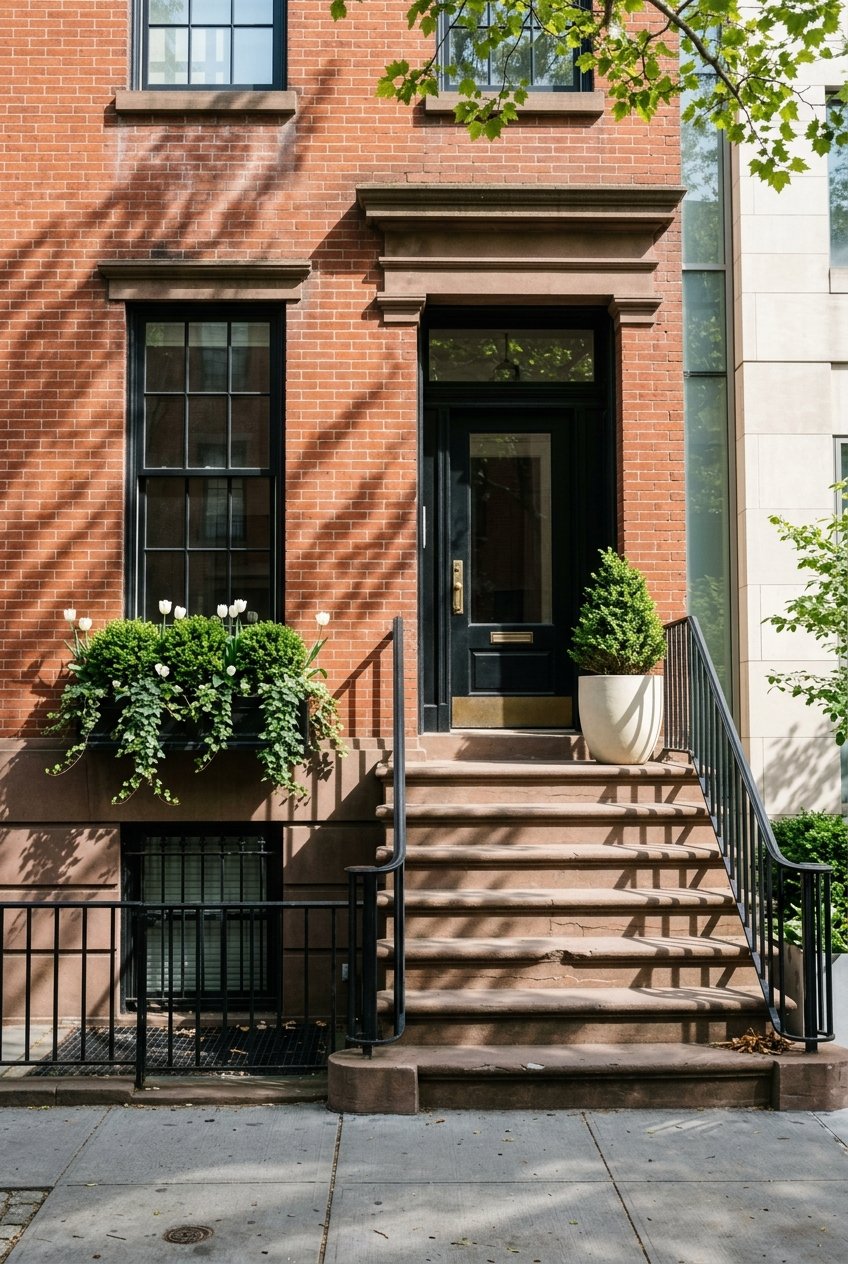
Upper West Side brownstones and rowhouses trace back to late 19th-century development. Landmarks Preservation Commission materials note that early Upper West Side development included many single-family town houses and rowhouses, often using high-stoop and American basement plans.
That design history still shapes daily life today. In practical terms, brownstone living often means a more vertical layout, more stairs, narrower floor plates, and room arrangements that can feel more individualized than what you find in many larger apartment buildings.
You may also feel more connected to the street in a brownstone. The stoop, entry sequence, and fewer shared corridors often create a more private, house-like rhythm while still keeping you in a dense Manhattan neighborhood.
If you are drawn to brownstone living, these are often the biggest appeals:
For many buyers, that appeal is emotional as much as practical. A brownstone can offer personality and architectural texture that feels distinct from a larger building environment.
The main compromise is usually maintenance. Older building stock can require more attention, and the New York State Attorney General notes that facade issues, roof work, plumbing upgrades, electrical work, boiler replacements, elevator repairs where relevant, and cosmetic updates can be among the most expensive items in existing buildings.
Neighborhood housing conditions also reinforce the need for diligence. New York City Health’s Upper West Side housing profile records maintenance signals such as leaks, rodents, cockroaches, and peeling paint across neighborhood housing, which is a reminder that inspections matter, especially in older properties.
If you are considering a brownstone or townhouse-style home, it helps to go in with clear eyes. Charm can be real value, but so can the cost of upkeep.
On the Upper West Side, high-rise living is not one single category. It can include classic prewar apartment houses on major avenues, as well as taller tower developments that sit back from the street and may be surrounded by private open space.
New York City Planning points to examples ranging from 14- to 20-story tower-in-the-park complexes to even taller Broadway-area development pressure. That means “high-rise” on the Upper West Side can describe several building styles, but they tend to share one key feature: life is organized around a larger shared building structure rather than an individual house form.
For many buyers, that translates into a more streamlined day-to-day experience. Elevator access, shared services, and less direct responsibility for exterior systems can make high-rise living feel more manageable.
High-rises often appeal to buyers who want:
That setup can be especially useful if you want convenience built into the property type. It can also be a strong fit if you prefer fewer building tasks landing directly on your shoulders.
The trade-off is that shared living usually comes with more oversight and less individuality. Compared with a brownstone, a high-rise may involve more board review, more building rules, and fewer opportunities to shape the property experience on your own terms.
If amenities are part of your decision, documentation matters. The New York State Attorney General advises that features like recreational facilities, rooftop cabanas, landscaping, and unit amenities only count if they are actually described in the offering plan, not just shown in marketing materials.
That is an important point in a presentation-driven market like Manhattan. A beautiful rendering is not the same as a delivered feature.
On the Upper West Side, many high-rise purchases involve either co-op or condo ownership. These are not interchangeable, and the ownership structure affects your monthly costs, review process, and financial planning.
In a co-op, you buy shares in a corporation and pay maintenance charges based on the number of shares tied to your apartment. In a condo, you own the unit itself plus an undivided interest in the common elements, and city property taxes are billed separately by the Department of Finance.
That difference can shape how you compare one property to another. Two homes with similar asking prices can feel very different once you factor in maintenance, taxes, and building structure.
| Factor | Brownstone | High-Rise |
|---|---|---|
| Layout feel | More vertical and house-like | More centralized and building-oriented |
| Stairs | Often a major part of daily life | Elevator access is common |
| Architectural character | Often highly individualized | Can range from classic prewar to modern tower living |
| Exterior responsibility | More direct maintenance exposure | More pooled responsibility through the building |
| Amenities | Typically limited by property form | May include shared services or amenity spaces |
| Oversight | Often more autonomy in feel | Often more board and building structure |
If you love historic detail, a more intimate street presence, and the idea of a home with personality, a brownstone may feel like the right fit. It can also appeal to buyers who see opportunity in renovation-ready space and are comfortable with a more hands-on ownership experience.
If you value elevator access, shared services, and less direct responsibility for exterior systems, a high-rise may suit you better. That can be especially appealing if convenience and day-to-day ease matter more than having a highly individualized architectural layout.
In many cases, the choice comes down to your tolerance for four things: privacy, stairs, maintenance responsibility, and reliance on amenities or building services. Once you know where you stand on those points, your decision often becomes much clearer.
No matter which format you prefer, document review is essential. The New York State Attorney General recommends reading the full offering plan, checking board minutes, and reviewing the most recent financial report before moving forward.
Those records can reveal defects, upcoming repairs, and the likely cost of future work. On the Upper West Side, where older housing stock and complex building types coexist, that kind of review can help you avoid expensive surprises.
This is where thoughtful guidance matters. A visually appealing home can absolutely be the right one, but it should also make sense on paper.
The Upper West Side is one of the few Manhattan neighborhoods where you can choose between classic rowhouse character and larger-scale apartment living within the same market footprint. That is part of its appeal, but it also means your decision should be grounded in how you actually want to live.
The best choice is not the one with the most romance or the longest amenity list. It is the one that fits your pace, your priorities, and the level of responsibility you want to take on every day.
If you are comparing Upper West Side homes and want a more strategic, design-aware perspective on what truly fits, Blu Toth can help you evaluate the options with clarity and confidence.
Stay up to date on the latest real estate trends.

Blu has always been about client service and attention to detail in every aspect of her work. This quality and dedication she brings to her real estate clientele. Blu's determination and dedication helps her clients to achieve best possible results in any market condition!