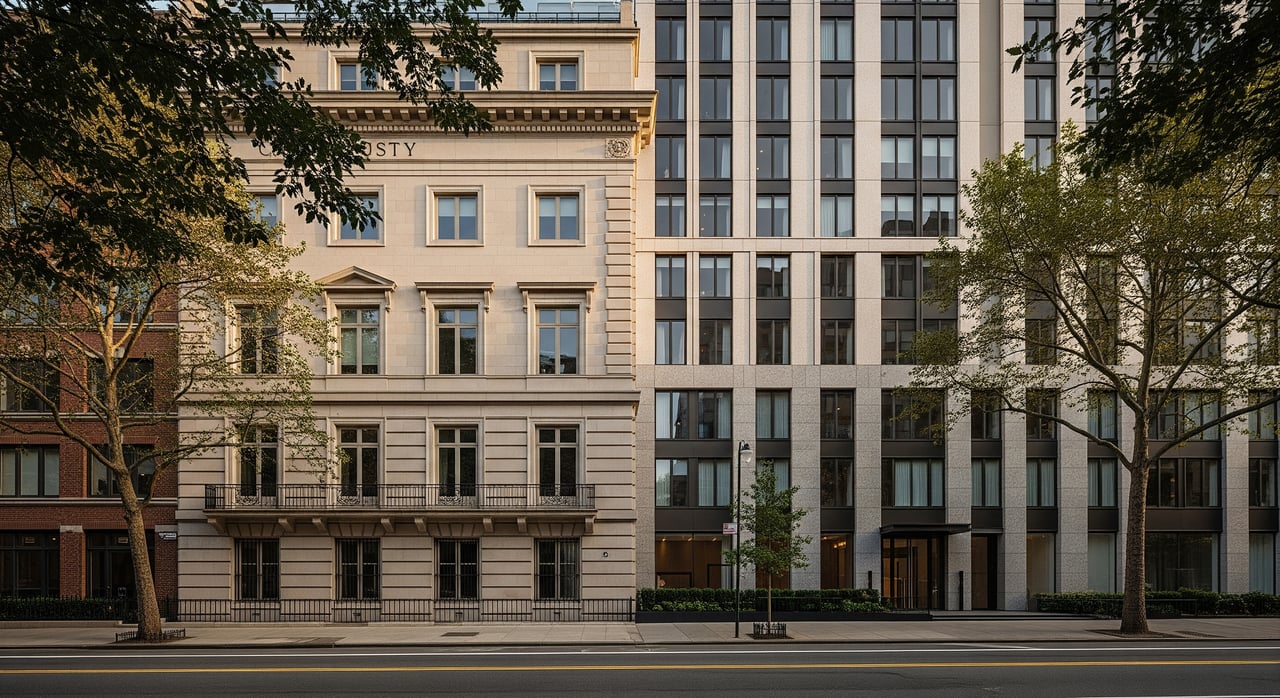
Upper West Side Co-op vs Condo: Key Differences
November 21, 2025
November 21, 2025
Torn between a classic prewar co-op near the park and a sleek condo by Lincoln Center? You are not alone. The choice affects how you own, what rules you live by, your monthly costs, and how easy it is to sell later. In this guide, you will learn the real differences, how they play out on the Upper West Side, and what to check before you make an offer. Let’s dive in.
In a co-op, you buy shares in a corporation that owns the building and receive a proprietary lease for your apartment. Your rights and responsibilities come from the proprietary lease, the by-laws, and house rules. You do not receive a deed to real property.
In a condo, you buy a deeded unit and a fractional interest in the common elements. You own real property and follow the condo’s bylaws and rules. Transfers are recorded as deeds with the county.
What this means for you on the Upper West Side: co-op purchases involve reviewing the proprietary lease and, when relevant, the offering plan. Condo buyers complete a title search and review the condo declaration. Co-ops often have tighter rules around renovations and subletting, while condos typically use more standardized governance.
Co-ops require board approval. Your application usually includes full financials, employment letters, and reference letters. Many boards conduct interviews and may reject applications within their rules. Discrimination is illegal, but a board can still decline an application without stating a reason.
Most condos do not require buyer approval or interviews. They collect purchaser information for records, which makes them more accessible to investors, corporate entities, and some foreign buyers.
On the Upper West Side, many prewar co-ops near Central and Riverside Parks have traditional boards that run a careful approval process. Newer condos in and around Lincoln Center are more likely to be policy-friendly for pieds-à-terre and investors. Expect extra time and a bit of uncertainty with any co-op until the board approves.
Co-ops usually take longer to close. After contract, you prepare the board package, submit it, complete the interview, and wait for approval before you can schedule closing. This added step can extend the process. Some deals close in 6 to 12 weeks, but timing varies by building and board responsiveness.
Condos often close faster because there is no formal buyer approval. From contract to close, many deals finish in roughly 4 to 8 weeks, depending on lender and title work.
Local note: building management staffing, elevator reservation policies, and neighborhood logistics can affect your move-in date. Plan ahead for building move rules and block-use permits around park-adjacent streets.
Co-ops often expect higher equity, careful debt-to-income ratios, and solid post-closing liquidity. Some boards limit how much you can finance or which mortgage products they will accept.
Condos usually allow more flexible financing and are popular with buyers who need higher loan-to-value options. Your lender and attorney can help you match financing to the building’s rules.
Monthly costs work differently. Co-op maintenance typically includes your share of building expenses such as real estate taxes, staff, insurance on the building shell, and sometimes utilities. Maintenance can be higher when a building carries an underlying mortgage.
Condo owners pay common charges for services and amenities, then pay property taxes separately to the city. Your true monthly number equals common charges plus property tax. Both co-ops and condos can levy special assessments for capital projects.
Upper West Side nuance: prewar co-ops may have strong reserves yet still face periodic projects like masonry or roof work. Newer condos may have higher baseline common charges because of full-service amenities, but they do not bundle real estate tax into that monthly fee.
Classic co-ops near the parks often feature prewar details, high ceilings, and gracious layouts. Many are doorman buildings with live-in staff, laundry rooms, and bike storage. Renovations usually require board approval and specific contractor insurance.
Newer condos near Lincoln Center and along the mid-60s to 70s often include in-unit laundry, large windows, and modern finishes. Amenities can include fitness centers, roof decks, children’s playrooms, on-site parking, and concierge services. Condos generally provide more flexibility around usage, subject to building rules and local law.
Before you fall in love with a building, confirm policies for renovations, packages and deliveries, in-unit laundry, air conditioning, and pets. Rules vary widely by building type and address.
Co-ops commonly limit subletting, such as requiring an owner-occupancy period or capping the length and frequency of sublets. Some do not allow subletting at all. This narrows the buyer pool for investors.
Condos typically permit subletting within their bylaws, making them more attractive to investors and corporate buyers, subject to local short-term rental rules. As a result, condos often resell to a broader audience and can move faster.
Pricing patterns reflect these dynamics. Many co-ops trade at lower prices than similar condos, largely due to restrictions and buyer pool size. That said, well-situated co-ops with park views and classic layouts can command strong prices. Be aware of flip taxes or transfer fees in some co-ops, which affect seller proceeds and should be disclosed early.
The Upper West Side has a deep roster of prewar co-ops, especially in the 70s to 90s near Central Park and Riverside Park. Newer condo towers and mid-century buildings cluster around Lincoln Center, Columbus Avenue, and major corridors.
Parts of the neighborhood are landmarked, which influences exterior work and long-term maintenance planning. This matters for both co-ops and condos that may face façade, roof, or window projects under historic guidelines.
Lifestyle tradeoffs are clear. Some buyers prioritize a classic layout and park adjacency. Others want modern amenities and proximity to cultural institutions. Your match depends on how you plan to live day to day.
Use this side-by-side checklist while touring. Confirm each item with building documents and your attorney.
| Item | Co-op | Condo |
|---|---|---|
| Ownership | Shares + proprietary lease | Deeded unit + common interest |
| Board approval | Required, interview likely | Rare, info collection only |
| Typical timeline | Contract to close can extend with board review | Often faster once lender and title clear |
| Financing | May require larger equity and post-closing liquidity | Generally more flexible loan options |
| Monthly costs | Maintenance includes taxes and building expenses | Common charges plus separate property taxes |
| What is included | Taxes, staff, building insurance, sometimes utilities | Services and amenities, not property taxes |
| Subletting | Often limited or prohibited | Typically allowed per bylaws and local law |
| Investor policy | Often restrictive | Often investor friendly |
| Flip tax | Common in many buildings | Less common, varies |
| Assessments | Possible for capital projects | Possible for capital projects |
| Renovations | Board approval required | Approval and contractor rules, often more flexible |
| Amenities | Doorman, storage, laundry rooms are common | Gyms, roof decks, playrooms, parking are common |
| Pet policy | Building-specific | Building-specific |
| Landmark impact | May affect exterior projects | May affect exterior projects |
| Move rules | Elevator reservations and set hours | Similar, check building policy |
| Comps and DOM | Review recent sales in the building | Review recent sales in the building |
If you want a clear path from short list to closing, connect early with your lender and attorney. An experienced local agent can also preview board expectations and building culture so you avoid surprises.
Ready to compare specific buildings on your list and run the numbers? Reach out to Blu Toth for buyer representation tailored to the Upper West Side. You will get clear guidance, neighborhood insight, and a plan that fits your timing and budget.
Stay up to date on the latest real estate trends.

Blu has always been about client service and attention to detail in every aspect of her work. This quality and dedication she brings to her real estate clientele. Blu's determination and dedication helps her clients to achieve best possible results in any market condition!