What It’s Like To Live On The Upper East Side
July 16, 2026
July 16, 2026
If you are wondering whether the Upper East Side still lives up to its reputation, the short answer is yes, but probably not in the way people imagine. This is not just a neighborhood of polished facades and famous addresses. It is a place where daily life often feels easy, walkable, and deeply tied to parks, culture, and familiar routines. If you are thinking about moving here, this guide will help you picture what living on the Upper East Side is actually like. Let’s dive in.
The Upper East Side is part of Manhattan Community Board 8, which covers East 59th Street to East 96th Street between Fifth Avenue and the East River. In city planning materials, the area is grouped with Lenox Hill, Yorkville, and Roosevelt Island.
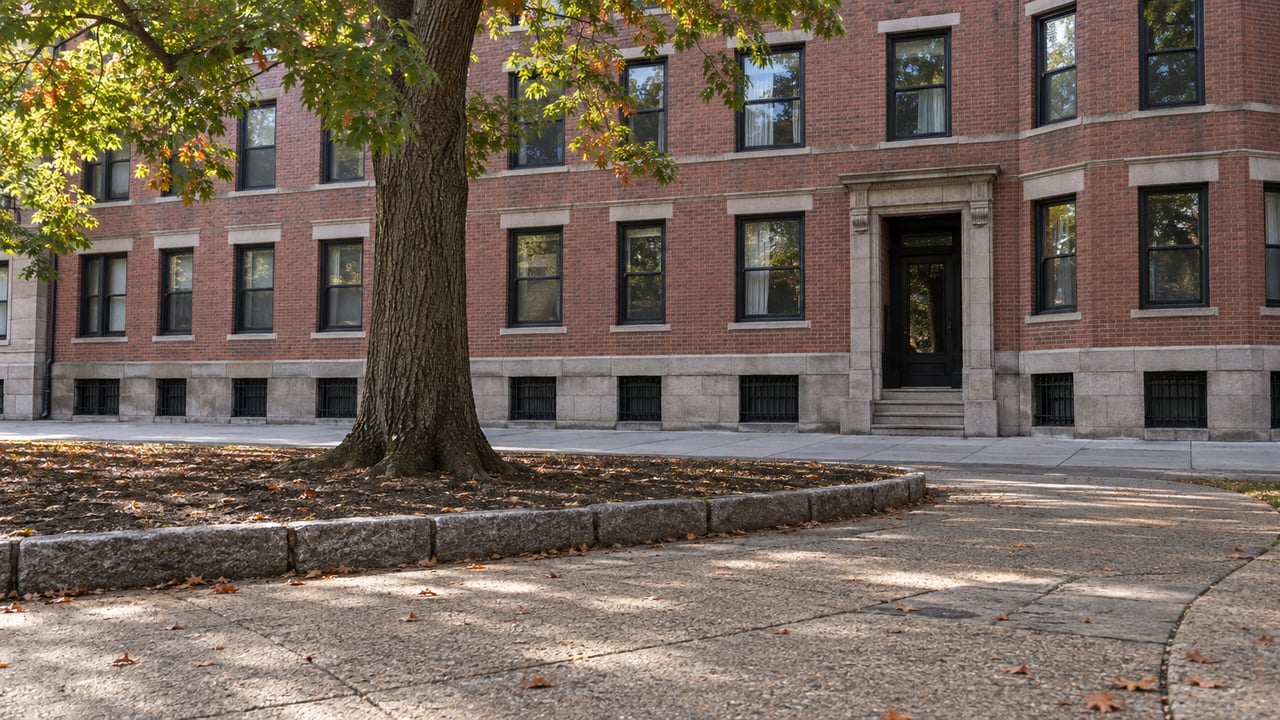
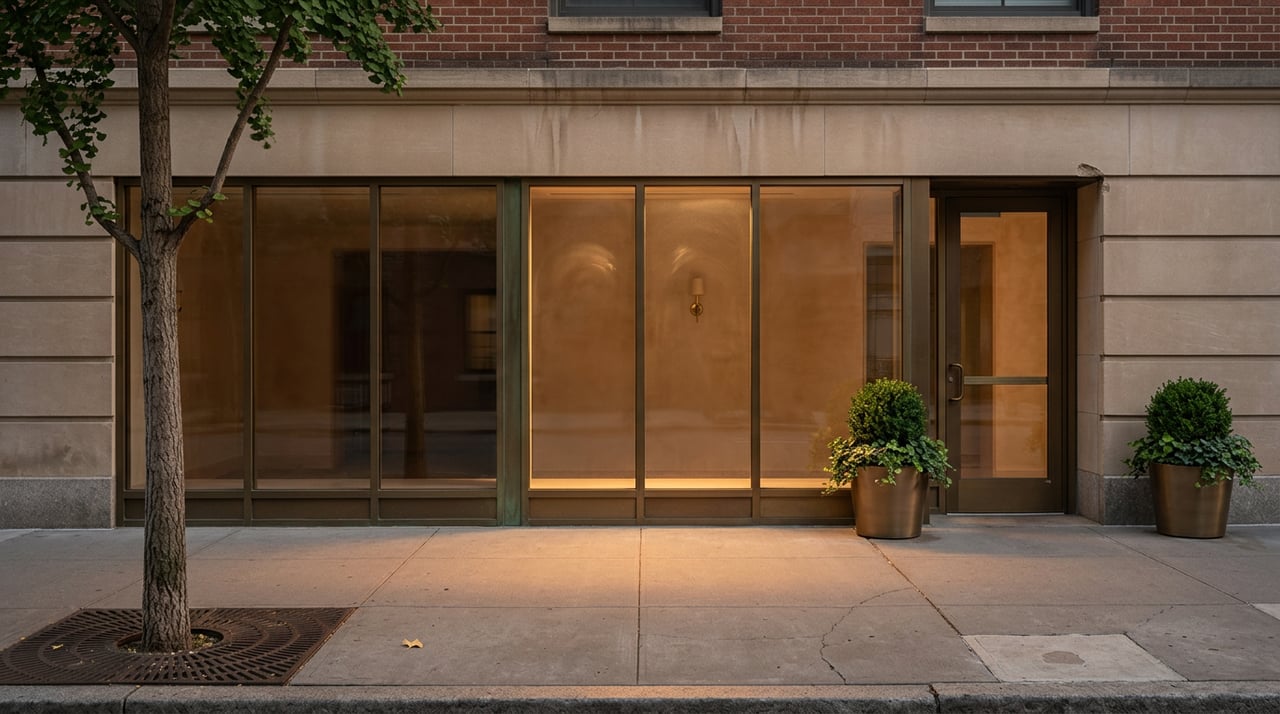
What that means on the ground is a neighborhood with a strong residential identity. The streetscape is shaped by older apartment houses, landmarked blocks, and avenue-level retail that supports everyday life without overpowering it.
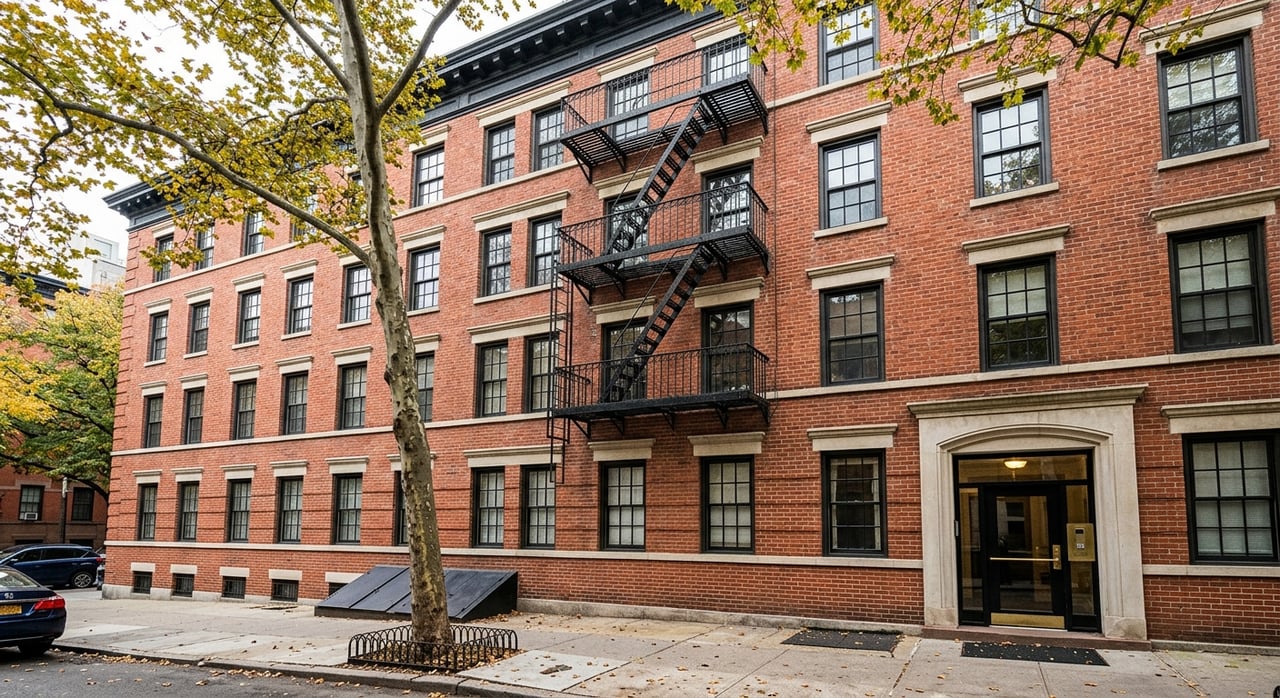
The Upper East Side Historic District Extension along Lexington Avenue helps explain the look and feel many people notice right away. The Landmarks Preservation Commission describes a mix of late-19th-century rowhouses, early-20th-century apartment houses, and commercial conveniences that still define the area today.
For you as a resident, that often translates into a neighborhood that feels orderly and established. It tends to read as residential first, with daily errands, park visits, and cultural stops woven into the same few blocks.
One of the biggest draws of the Upper East Side is how repeatable your routine can become. You are not always planning your day around a long trip across town. In many cases, your coffee run, grocery stop, park walk, and dinner plan can all happen within a compact stretch of the neighborhood.
City planning materials note commercial uses along the southern portion of the neighborhood, with neighborhood services and boutique and upscale shopping along Madison and Lexington Avenues. Institutional uses, including museums and schools, are spread throughout the area.
That mix gives the neighborhood practical range. Some blocks feel quiet and residential, while the avenues give you the convenience you expect from Manhattan living.
The 86th Street station area is a good example of that rhythm. An MTA study notes many retail storefronts, several restaurants, a supermarket, and a bank branch in the area. For many residents, that kind of convenience is a major part of the appeal.
The Upper East Side has a strong relationship to open space, and that changes how the neighborhood feels day to day. Central Park is the most obvious lifestyle anchor, but it is not the only one.
The Central Park Conservancy identifies access points at East 72nd Street, East 79th Street, and East 85th Street along the neighborhood’s western edge. If you live nearby, the park can become part of your regular routine instead of a once-in-a-while destination.
That matters more than it may seem on paper. A short walk to the park can shape your mornings, weekends, and even how you reset after work.
On the East River side, the pace feels a little different. NYC Parks lists Carl Schurz Park among Manhattan parks with designated special-event status, and park maintenance materials for John Jay Park note athletic facilities, public restrooms, and a playground.
Together, those parks give the neighborhood variety. Central Park offers broad paths and iconic scenery, while the East River parks support more local, lower-key routines like jogging, dog walks, or a quick trip outside.
Very few neighborhoods make culture feel this close to home. On the Upper East Side, museums, talks, and performances can fit into an ordinary week instead of requiring advance planning.
The Metropolitan Museum of Art sits at 1000 Fifth Avenue at 82nd Street. The Guggenheim is at 1071 Fifth Avenue at 88th Street. The Frick Collection is at 1 East 70th Street at Fifth Avenue, and it completed a major renovation in spring 2025. Neue Galerie is at the southeast corner of Fifth Avenue and East 86th Street, and 92NY is at 1395 Lexington Avenue between 91st and 92nd Streets.
That concentration gives the neighborhood a distinct rhythm. You may not go to a museum every day, but living nearby can make a quick visit, an evening talk, or a weekend stop feel natural rather than ambitious.
For buyers who care about lifestyle as much as square footage, this is often one of the biggest reasons the Upper East Side stands out. The neighborhood offers access to culture that feels immediate and practical, not just prestigious.
The Upper East Side works well for people who want options. The commute here is less about depending on one line and more about having several ways to move through the city.
MTA documents say Second Avenue Subway Phase 1 opened Q service to 96th Street, with stations at 72nd Street, 86th Street, 96th Street, and Lexington Avenue-63rd Street. That expanded east-side subway access in a meaningful way.
Bus service also plays a major role in daily life. MTA bus pages show crosstown service including the M72, M86-SBS, and M96, along with north-south routes such as the M15, M102, M103, and M98.
For you, that can mean shorter and more flexible trips. Whether you are heading across town, staying within the neighborhood, or moving downtown, the Upper East Side tends to support a practical, connected routine.
The Upper East Side often feels visually consistent in a way many people find calming. The built environment is defined by prewar apartment houses, landmarked stretches, and established retail corridors rather than constant churn.
The Lexington Avenue historic district extension is especially useful for understanding the area’s character. The Landmarks Preservation Commission notes that the district retains both quality residential construction and commercial conveniences.
That blend creates a specific kind of Manhattan atmosphere. You get elegance and familiarity, but also a lived-in quality that supports everyday needs.
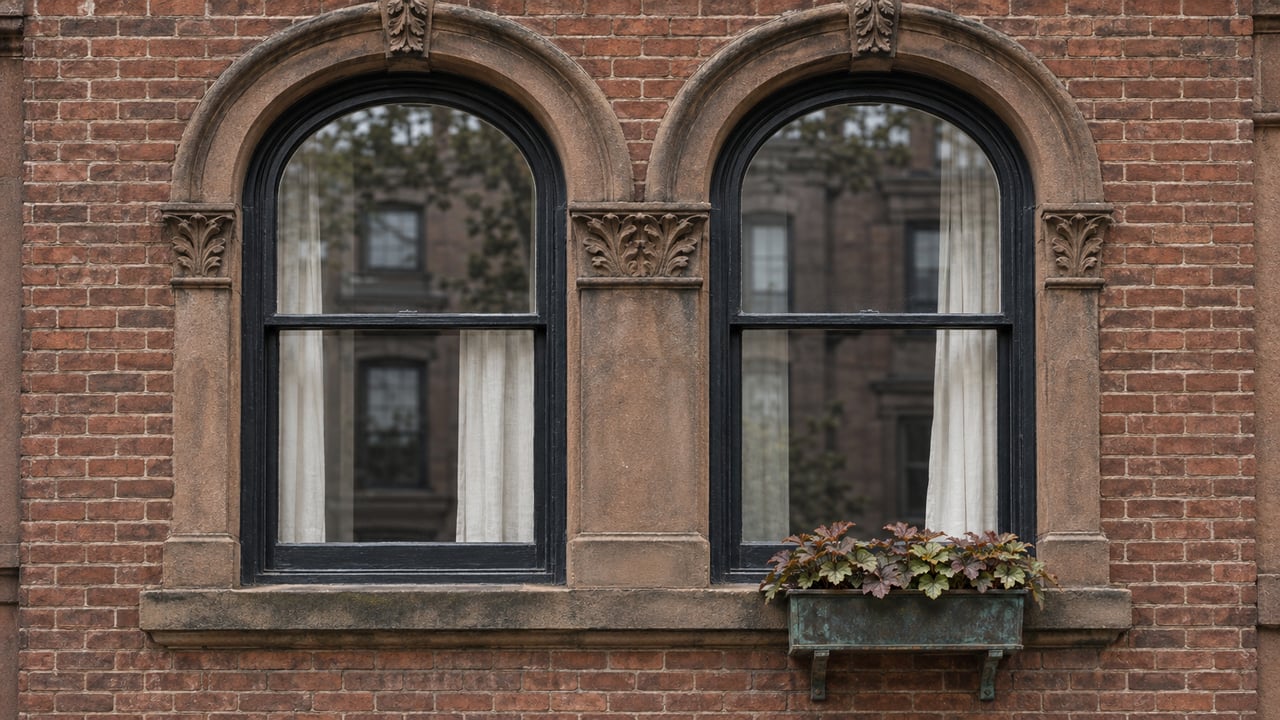
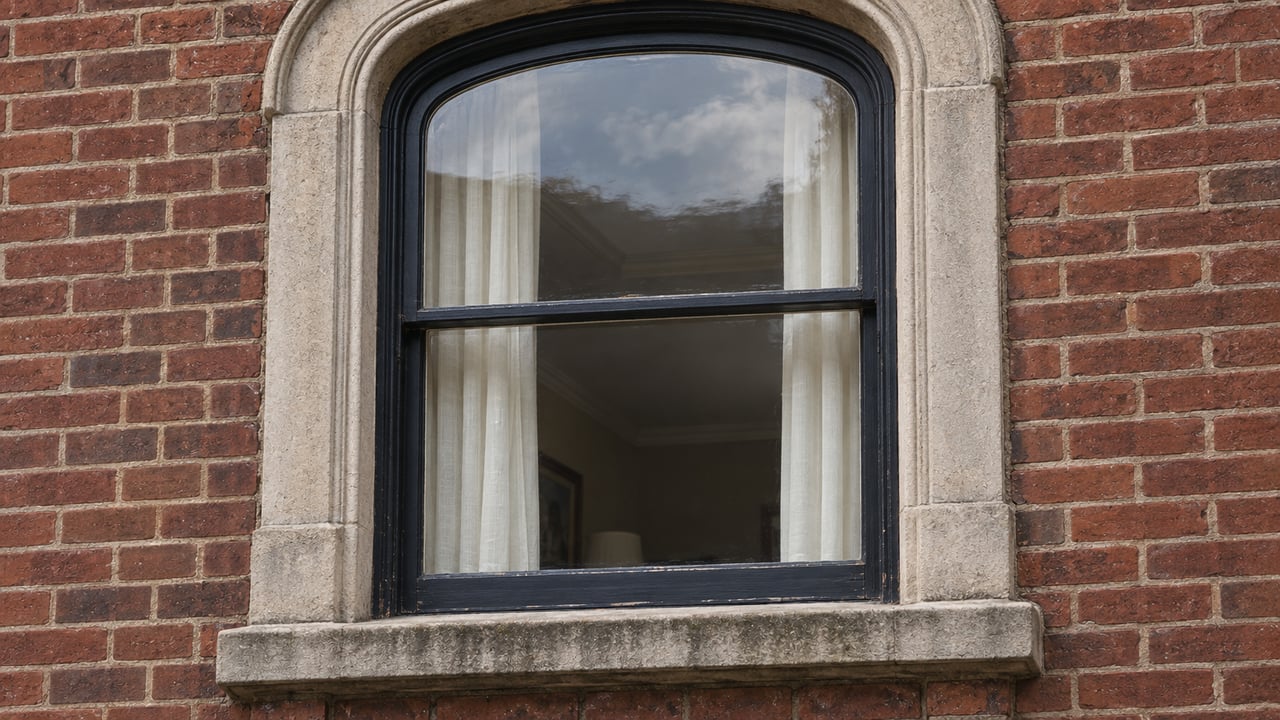
If you are drawn to classic New York architecture, this neighborhood tends to deliver that sense of place. Many residents value the prewar character, the visual rhythm of the blocks, and the feeling that the area has a strong identity of its own.
The Upper East Side appeals to a wide range of buyers and renters, but certain preferences tend to line up especially well with the neighborhood. If you want a residential setting with strong park access, everyday convenience, and major cultural institutions nearby, it checks many boxes.
It can also be a strong fit if you want Manhattan living that feels structured and comfortable. The area supports a lifestyle built around predictable routines, short walks, and local destinations you can return to again and again.
That does not mean every block feels the same. The neighborhood stretches from Fifth Avenue to the East River and includes different pockets with their own texture, but the broader pattern remains fairly consistent: residential streets, active avenues, and access to both parks and culture.
From a real estate perspective, the Upper East Side stands out because lifestyle and architecture are such a visible part of the package. Buyers are often responding not only to the apartment itself, but also to the block, the nearby park access, and the feeling of the surrounding streets.
For sellers, that means presentation matters. In a neighborhood known for classic buildings, polished routines, and cultural depth, thoughtful marketing can help tell a fuller story about how a home lives.
For buyers, it helps to work with someone who can translate block-by-block context and show how daily life may actually feel from one property to the next. On the Upper East Side, the difference between a good fit and a great fit is often about lifestyle details that are easy to miss if you only look at listings.
If you are exploring the Upper East Side as your next move, or preparing to sell a home here, working with a neighborhood-focused advisor can help you see beyond the surface. Blu Toth offers thoughtful buyer and seller representation across Manhattan, with a polished, relationship-driven approach shaped by local knowledge and strong visual storytelling.
Stay up to date on the latest real estate trends.

Blu has always been about client service and attention to detail in every aspect of her work. This quality and dedication she brings to her real estate clientele. Blu's determination and dedication helps her clients to achieve best possible results in any market condition!